
 AUS
AUS
























Bike Fit: Tailored for Optimal Riding
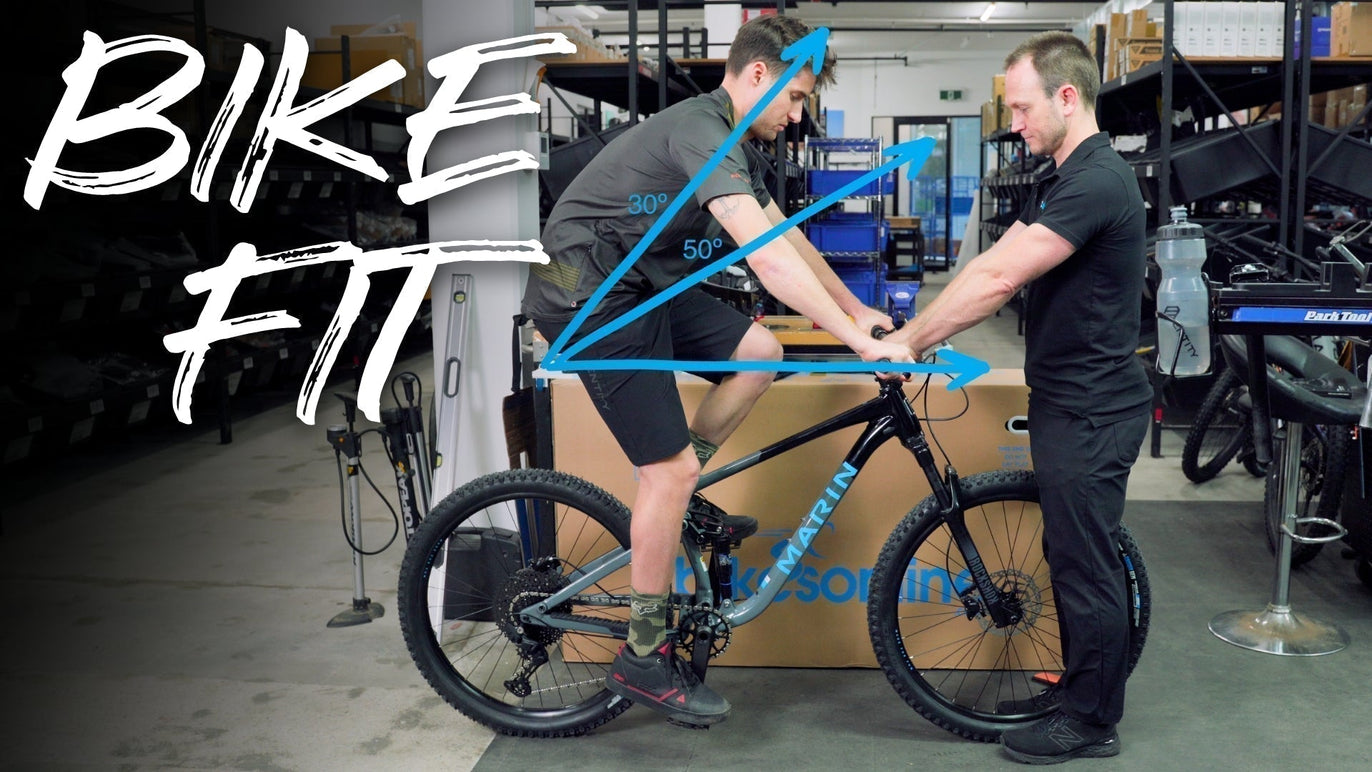
Bike Fit Guide: Tailored to Your Body & Riding Style
Unlock unparalleled comfort, efficiency, and performance by perfectly fitting your bike to you.
You've picked out a beautiful bike, but does it truly fit you? Bike fit is arguably the most critical factor for comfort, efficiency, performance, and even injury prevention. A perfectly sized bike feels like an extension of your body, allowing you to ride further, faster, and with greater enjoyment. A poorly sized one can lead to discomfort, pain, and a lack of control. This comprehensive guide will demystify bike fit, focusing on the two primary elements: your physical dimensions (especially height and inseam) and your intended riding style.
The Fundamentals of Bike Fit: Your Body's Blueprint
Your body measurements are the starting point for determining the correct frame size. While professional bike fits offer precise adjustments, getting the frame size right is paramount.
1. Height and Inseam: The Primary Indicators
Most sizing guides rely on your overall height and, crucially, your inseam (or standover height).
- Overall Height: Provides a general range for bike sizes.
- Inseam (or Standover Height): This is the distance from the ground to your crotch. It determines if you can comfortably stand over the top tube of the bike with a few inches of clearance (typically 1-2 inches for road bikes, 2-4 inches for mountain bikes for safety on varied terrain).
General Sizing Chart (Illustrative, consult specific brand guides for precision):
XS / 13"-15"
- Rider Height: 4'10" - 5'2" (147 - 157 cm)
- Inseam (Approx.): 26"-28"
- Road Frame: 47-50 cm
- MTB Frame: 13-15 inches
- Common Wheel Size: 650b, 700c (small), 27.5"
S / 15"-17"
- Rider Height: 5'2" - 5'6" (157 - 168 cm)
- Inseam (Approx.): 28"-30"
- Road Frame: 50-53 cm
- MTB Frame: 15-17 inches
- Common Wheel Size: 700c, 27.5"
M / 17"-19"
- Rider Height: 5'6" - 5'10" (168 - 178 cm)
- Inseam (Approx.): 30"-32"
- Road Frame: 53-56 cm
- MTB Frame: 17-19 inches
- Common Wheel Size: 700c, 27.5", 29"
L / 19"-21"
- Rider Height: 5'10" - 6'1" (178 - 185 cm)
- Inseam (Approx.): 32"-34"
- Road Frame: 56-59 cm
- MTB Frame: 19-21 inches
- Common Wheel Size: 700c, 29"
XL / 21"+
- Rider Height: 6'1" - 6'4" (185 - 193 cm)
- Inseam (Approx.): 34"-36"
- Road Frame: 59-62 cm
- MTB Frame: 21+ inches
- Common Wheel Size: 700c, 29"
XXL / 23"+
- Rider Height: 6'4"+ (193+ cm)
- Inseam (Approx.): 36"+
- Road Frame: 62+ cm
- Common Wheel Size: 700c, 29"
Note: Always cross-reference with the specific bike manufacturer's size chart, as geometries can vary. When in doubt, it's often better to size down slightly, as it's easier to make a smaller bike feel larger than vice-versa by adjusting seatpost and stem.
2. Frame Size Terminology
- Road Bikes: Often measured in centimeters (cm), referring to the length of the seat tube or effective top tube.
- Mountain Bikes: Typically measured in inches (in), also referring to the seat tube length.
- Hybrid/Commuter Bikes: May use S, M, L sizing or inches.
3. Wheel Size Influence
While not directly part of "fit," wheel size choice is related to rider height and can affect handling characteristics:
700c (Road/Hybrid)
Standard for most adult road and hybrid bikes, offering efficiency and smooth rolling.
29-inch (Mountain)
Excellent for rolling over obstacles and maintaining momentum, favored by taller riders and for cross-country/trail riding.
27.5-inch (Mountain)
Offers a balance of roll-over capability and agility, often preferred by shorter riders or those seeking a more playful feel.
26-inch (Mountain)
Less common on new adult MTBs, but still found on some smaller frames or older models; excellent for highly agile, technical riding or dirt jumping.
Optimized Fit by Riding Discipline
Tailoring Your Bike's Geometry to Your Cycling Ambition
Beyond basic height, your intended riding style profoundly influences optimal bike geometry and fit. Different disciplines demand different body positions for comfort, control, and efficiency.
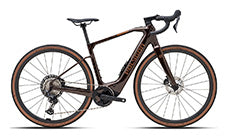
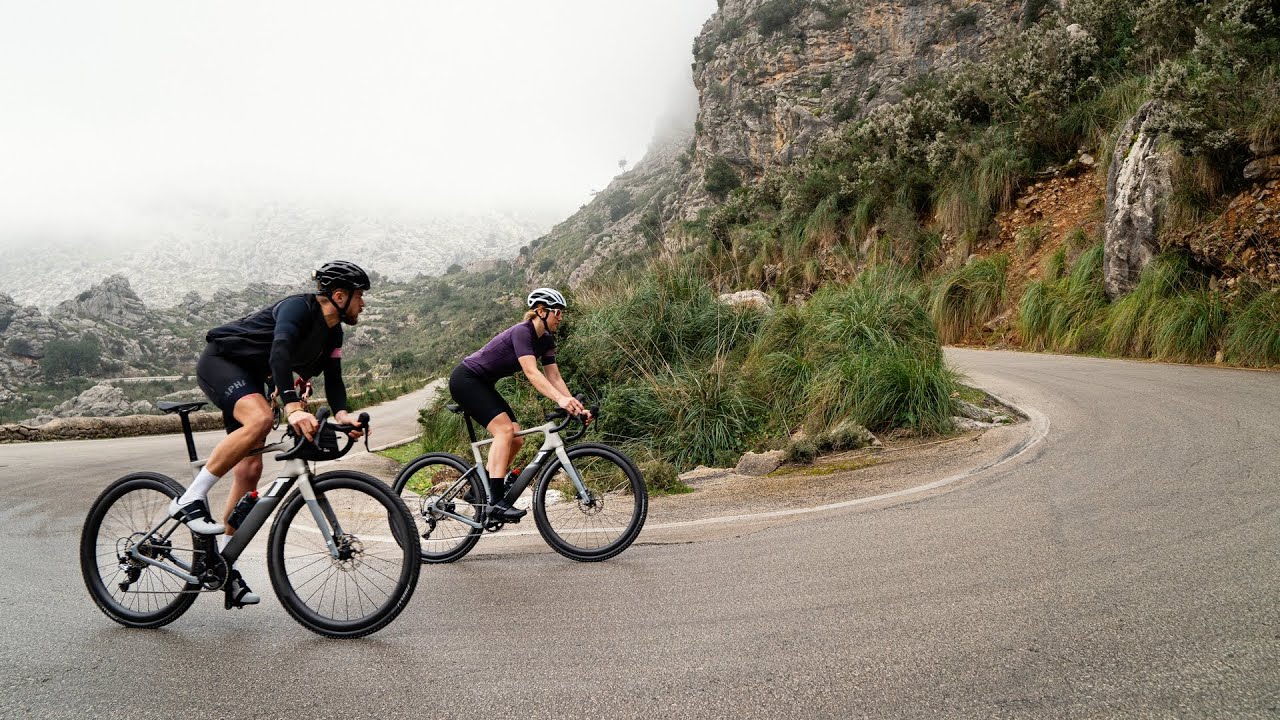
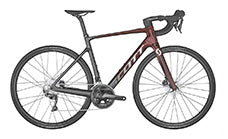
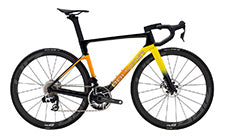
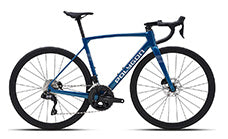
1. Road Bike Fit: Aerodynamics & Efficiency
Goal: Maximize power transfer, aerodynamic efficiency, and sustained comfort for long rides on pavement.
Typical Posture: More aggressive and aerodynamic, with a lower handlebar position relative to the saddle, requiring a greater hip angle. You'll be more stretched out over the bike.
- Reach: Crucial. You should be able to comfortably reach the handlebars without feeling too stretched or too cramped. Too much reach can strain your back and neck; too little can make handling twitchy.
- Stack: Determines the height of the handlebars. A lower stack creates a more aggressive, aero position.
- Saddle-to-Handlebar Drop: Often significant in road cycling, reflecting the aero position.
- Fine-Tuning: Stem length and angle are critical for adjusting reach and stack. Saddle fore/aft position impacts pedaling efficiency and reach.
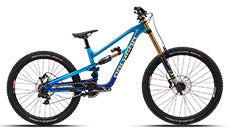
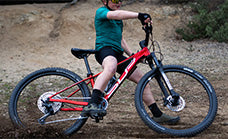
2. Mountain Bike Fit: Control & Maneuverability
Goal: Provide maximum control, stability, and maneuverability on varied, technical off-road terrain.
Typical Posture: More upright than a road bike, allowing for better visibility, easier weight shifts, and comfortable technical descending. The focus is on balance and control rather than pure aerodynamics.
- Standover Height: Critical for safety when dismounting quickly on uneven terrain. More clearance is better.
- Reach: Important for stable descending and comfortable climbing. A longer reach can enhance high-speed stability.
- Cockpit Comfort: Handlebar width, sweep, and rise are important for steering leverage and wrist comfort.
- Fine-Tuning: Stem length (often shorter for quicker steering), handlebar width, and dropper post functionality are key.
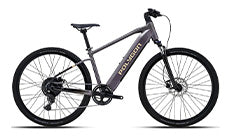
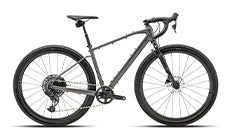
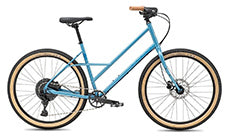
3. Hybrid & Commuter Bike Fit: Comfort & Versatility
Goal: Offer upright comfort, good visibility in traffic, and versatility for mixed terrain (pavement, light gravel paths).
Typical Posture: The most upright and relaxed riding position, reducing strain on the back and neck.
- Comfort: Priority over aerodynamics or aggressive performance.
- Reach: Generally shorter, bringing the handlebars closer to the rider.
- Step-Through Frames: Common for ease of mounting and dismounting, particularly beneficial for those with limited mobility or when wearing everyday clothes.
- Fine-Tuning: Handlebar rise and sweep, adjustable stems.
Precision Adjustments for Peak Performance
Refining Your Connection to the Bicycle for Unrivaled Comfort and Power
Once you have the correct frame size, micro-adjustments can significantly enhance your comfort and performance:
Saddle Height
Crucial for pedaling efficiency and knee health. When your foot is at the bottom of the pedal stroke, your knee should have a slight bend (around 25-30 degrees).
Saddle Fore/Aft Position
Affects power transfer and can relieve pressure points.
Handlebar Reach & Stack
Adjusted with stem length, stem angle, and spacers under the stem. These control how stretched out or upright you are.
Brake Lever & Shifter Position
Ensure comfortable and easy reach for your hands.
The Imperative of a Perfect Fit
A Strategic Investment in Your Cycling Experience
Investing time in finding the right bike fit pays dividends:
Enhanced Comfort
Eliminates pain in the back, neck, knees, wrists, and hands.
Improved Efficiency
Optimizes power transfer from your legs to the pedals, allowing you to ride faster with less effort.
Increased Control & Confidence
A bike that fits well is easier to maneuver and control, especially on challenging terrain or in traffic.
Injury Prevention
Reduces strain on joints and muscles, preventing common cycling-related aches and pains.
Greater Enjoyment
When your bike feels good, you'll simply want to ride it more!