


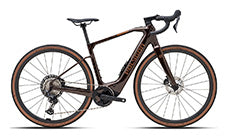
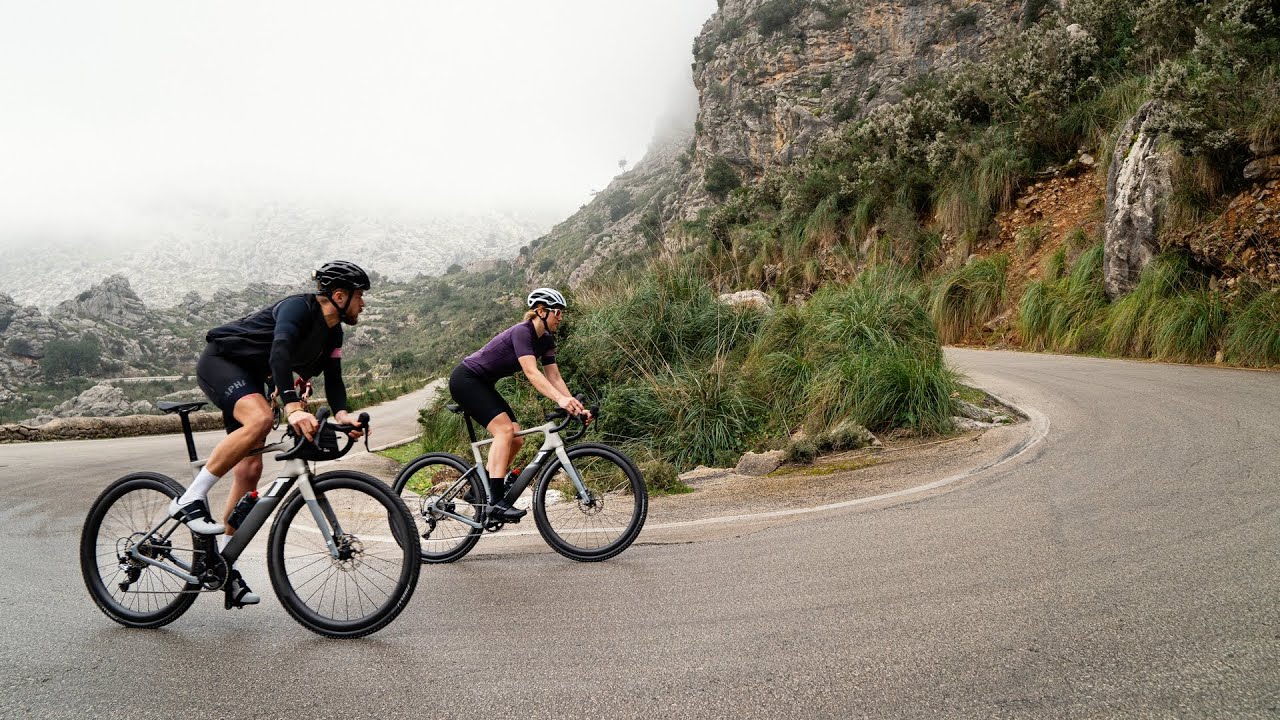




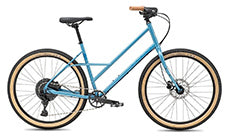









The same setup that feels perfect in July can quickly become uncomfortable—or unsafe—once winter settles in. If you plan to keep riding through colder US conditions, choosing the right winter-ready road bikes (or upgrading your current one) makes all the difference.
From frame materials to tires and cold-weather gear, here’s how to choose a winter road bike that keeps you confident, comfortable, and consistent all season long.
Start With the Right Frame for Winter Abuse
Winter roads in the US are rough on bikes. Salt, grit, slush, and constant moisture accelerate wear, so durability matters just as much as weight.
Aluminum frames are a popular winter choice because they’re lightweight, affordable, and resistant to corrosion. They can handle daily exposure to grime without the same long-term concerns as more delicate finishes. Carbon frames can still work in winter, but many riders prefer to save them for cleaner conditions and use a more rugged setup when the roads turn ugly.
If you’re deciding between performance road bikes and endurance road bikes, winter typically favors endurance-focused designs. They offer more compliance, better comfort over broken pavement, and geometry that feels stable when traction is limited.
Disc Brakes Are Non-Negotiable in Winter
Reliable braking is critical when temperatures drop. Wet roads, melting snow, and gritty bike lanes reduce stopping power—especially with rim brakes.
Disc brakes provide consistent, predictable braking in cold and wet conditions. Because braking happens at the rotor rather than the rim, performance remains strong even when wheels are damp or dirty. For winter riding, hydraulic disc brakes offer the most control, though mechanical discs are still a major upgrade over rim brakes.
If your winter riding includes descents, traffic, or unpredictable surfaces, disc brakes should be at the top of your checklist.
Choose Wider, Grippier Tires
Skinny summer tires aren’t ideal once winter arrives. Cold pavement, debris, and slick surfaces demand more traction and stability.
Look for wider tires with added clearance—typically 28–32 mm on modern road bikes, depending on frame compatibility. A wider contact patch improves grip and comfort while allowing lower tire pressures, which helps absorb rough winter roads.
Some riders even switch to all-road or light gravel-style tires for winter use. These options handle wet pavement, cracked asphalt, and occasional slush with far more confidence than race-focused rubber.
Prioritize Stability and a Balanced Setup
Winter riding often means uneven surfaces and sudden changes in traction. A stable bike is easier to control and more forgiving when conditions deteriorate.
Bikes with slightly longer wheelbases, lower bottom brackets, and relaxed steering angles feel more predictable in winter. This is another reason endurance road bikes are often better suited than aggressive race geometry during colder months.
If you carry gear, panniers or evenly balanced bags help maintain stability better than overloaded backpacks or uneven mounts.
Don’t Overlook Visibility and Lighting
Shorter days and overcast skies reduce visibility for both riders and drivers. Many US states require front and rear lights when riding in low-light conditions, so lighting isn’t optional.
A powerful front light helps you see road hazards, while a bright rear light ensures you’re visible from behind. Reflective accents on frames, wheels, and clothing further improve safety in fog, rain, or snowfall.
High-visibility jackets and reflective accessories can make a huge difference during early morning or evening rides.
Winter Gear That Makes Riding Possible (and Enjoyable)
Even the best winter road bike won’t help if you’re frozen ten minutes into the ride. Cold-weather gear keeps you comfortable and motivated.
- Bike shoes with thermal covers or winter-specific designs keep feet warm and dry.
- Insulated gloves maintain dexterity for braking and shifting.
- Weather-resistant jackets block wind while allowing moisture to escape.
- Seasonal tires with improved wet-weather grip add confidence on slick roads.
Layering is key—focus on staying warm without overheating once you’re moving.
Add Fenders to Protect You and Your Bike
Winter roads spray water, salt, and grit everywhere. Full-coverage fenders protect your drivetrain, frame, and clothing from constant exposure to corrosive debris.
Beyond keeping you cleaner, fenders help extend the life of your components and improve traction by preventing buildup on your wheels and tires. If your frame allows them, fenders are one of the smartest winter upgrades you can make.
Winter Riding Is About Preparation
Riding through winter in the US can be incredibly rewarding—quiet roads, crisp air, and steady fitness gains that pay off in spring. The right road bike, paired with winter-ready components and gear, turns cold-weather riding from a chore into a routine you actually enjoy.
Choose durability over ultra-lightweight parts, prioritize braking and traction, and build a setup designed for real-world winter conditions.
Frequently Asked Questions
What type of road bike is best for winter riding in the US?
For most riders, endurance road bikes are ideal for winter. They offer stable handling, room for wider tires, and a more comfortable ride on rough, cold-weather roads compared to aggressive race-focused designs.
Are wider tires better for winter road cycling?
Yes. Wider tires improve grip, comfort, and control on wet or gritty roads. Many winter riders use 28–32 mm tires to increase traction and reduce road vibration.
Do I need special gear to ride a road bike in winter?
Absolutely. Insulated bike shoes, warm Gloves, weatherproof Jackets, and winter-appropriate tires make cold-weather riding safer and far more enjoyable, especially during long or early-morning rides.