








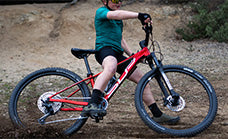







Kids Bikes: Fun, Safe, and Built for Growing Riders
Find the Best Kids Bikes
A quality kids bike is more than transportation—it's a gateway to independence, outdoor exploration, and lifelong fitness habits. At BikesOnline, our curated collection features bikes designed specifically for young riders at every stage, from first-time cyclists to confident trail adventurers. Whether your child is ready for a neighborhood cruiser or a rugged kids mountain bike, we carry options built to match their age, height, and skill level. Each bike in our selection prioritizes safety, durability, and the confidence-building features that help kids fall in love with cycling.
Explore our Trail Mountain Bikes for more options relevant to this topic.
View Superior Xf 9 7 Dc Lightweight as another relevant option to consider.
Why Choose Kids Bikes
Introducing children to cycling early builds critical motor skills, balance, coordination, and a genuine passion for physical activity. The right bike—properly sized and equipped—transforms cycling from an intimidating challenge into an exciting adventure. Our kids mountain bikes and neighborhood cruisers are engineered to grow with your child, offering both immediate comfort and room for skill development. Quality construction reduces maintenance headaches and ensures your investment stays roadworthy through multiple seasons and riders.
- Develops balance, coordination, and motor skills from an early age
- Encourages outdoor activity and independent exploration
- Builds confidence through achievable riding milestones
- Promotes long-term fitness habits and love of cycling
- Durable frames and components withstand rough play and growth spurts
Types of Kids Bikes
Balance Bikes and Starter Models
Designed for toddlers and very young children, balance bikes eliminate pedals and training wheels, allowing kids to focus on balance and coordination. These bikes are lightweight, low-slung, and typically feature small wheels, making them ideal for children ages 2–5. They serve as the perfect introduction before transitioning to pedal bikes.
Kids Bikes: Ages 5–8 (20-Inch Wheels)
This category marks the stage for neighborhood independence and longer rides on light paths. Bikes for this age typically feature 20-inch wheels and introduce reliable hand brakes and multiple gears, preparing young riders for diverse terrains. Many models use hybrid-inspired designs that blend street and light trail capability, offering versatility without complexity.
- Best for: First-time pedal riders, neighborhood exploration, paved paths, and short adventures
- Pros: Manageable size, stable geometry, intuitive braking and shifting
- Considerations: Outgrown relatively quickly; choose models with adjustable seats to extend usability
Kids Mountain Bikes: Ages 7–10 (24-Inch Wheels)
Built for young adventurers ready for trails, kids MTB models typically feature 24-inch wheels, front suspension, durable gearing, and knobby tires for superior grip on unpaved surfaces. 24-inch wheels are the sweet spot for off-road exploration, offering a stepping stone toward hardtail mountain bikes as skills advance.
- Best for: Trail riding, light off-road use, and growing cyclists with intermediate skills
- Pros: Excellent traction, suspension smooths rough terrain, builds trail confidence
- Considerations: Slightly heavier than street bikes; requires basic maintenance of suspension and gears
Youth and Teen Bikes: Ages 9+ (26-Inch and 27.5-Inch Wheels)
For older children and pre-teens, these bikes bridge the gap between youth and adult models. With 27.5-inch wheels or larger frames, they offer advanced gearing, improved brakes, and geometries suited for higher speeds and challenging terrain. Many models are virtually indistinguishable from entry-level adult bikes, supporting serious trail riding and longer-distance adventures.
- Best for: Competitive trail riding, longer distances, and teenagers transitioning to adult bikes
- Pros: Performance-oriented components, adult-like handling, room for growth
- Considerations: More expensive; may feel too large for smaller riders
How to Choose the Right Kids Bike
Measure Your Child First
Choosing the correct size based on your child's actual measurements—not just age—is crucial for safety and enjoyment. Sizing is determined primarily by 20-inch wheels and your child's inseam and height. Always consult a detailed Bike Size Chart to accurately match inseam to wheel size. A properly sized bike allows your child's feet to touch the ground while seated and provides safe, confident control.
Consider Their Skill Level and Riding Style
Beginner riders benefit from stable geometry, intuitive braking, and lighter weight. Intermediate riders are ready for suspension and varied terrain. Advanced young cyclists thrive on performance-oriented components and responsive handling. Match the bike's features to where your child is now, not where you hope they'll be.
Budget and Adjustability
Quality kids bikes range widely in price. Consider bikes with adjustable handlebars and seat posts that grow with your child, extending the useful lifespan and improving overall value. A slightly higher initial investment in durability and adjustability often pays dividends across multiple seasons.
Frame Material and Weight
Aluminum frames are lightweight, affordable, and durable—ideal for most kids. Steel frames are heavier but more forgiving and economical. Lighter bikes are easier for children to control and maneuver, especially important for younger or smaller riders.
Terrain and Intended Use
Street and neighborhood riding calls for hybrid-style geometry and reliable brakes. Trail riding demands suspension, knobby tires, and durable drivetrains. Be realistic about where your child will actually ride, and choose accordingly to avoid over-specifying or under-equipping.
Key Features to Look For
Braking Systems
Hand brakes are standard for kids bikes and teach proper braking technique. Rim brakes are simple and low-maintenance; hydraulic disc brakes offer superior stopping power in wet conditions. Ensure your child can comfortably reach and operate the brake levers with confidence.
Suspension and Tires
Front suspension smooths rough terrain and builds confidence on trails but adds weight and requires occasional maintenance. Rigid forks suit street and light path riding. Tire tread and width vary by terrain—smooth, narrow tires roll faster on pavement; knobby, wider tires grip unpaved surfaces.
Drivetrain and Gearing
Single-speed bikes suit young beginners and flat terrain. Multiple gears (typically 7–21 speeds) help older kids tackle hills and varied riding conditions. Simpler drivetrains require less maintenance; more gears offer versatility.
Comfort and Fit
A comfortable saddle, properly adjusted seat height, and correct handlebar reach prevent fatigue and pain. Test-riding whenever possible helps ensure a good fit. Remember that bikes with adjustable components allow for fine-tuning as your child grows and develops stronger riding preferences.
Recommended For
First-Time Cyclists and Young Children (Ages 2–6)
Balance bikes and small-wheel starter bikes build foundational balance and coordination without the complexity of pedals or multiple gears. Look for lightweight models with low standover heights and intuitive features.
Trail-Curious and Adventure-Seeking Kids (Ages 7–12)
A quality kids mountain bike with front suspension, durable gearing, and knobby tires opens up dirt paths, light singletrack, and off-road exploration. These bikes build confidence and technical skills in a fun, forgiving environment.
Competitive and Performance-Focused Young Riders
Pre-teens and teenagers ready for serious trail riding, longer distances, or casual racing benefit from performance-oriented components, responsive handling, and adult-like geometry. These bikes support skill progression and satisfy a growing desire for speed and technical challenge.
Multiple-Child Families and Hand-Me-Down Planning
Durable, adjustable models with timeless styling offer excellent value when shared across siblings. Choose reputable brands known for lasting quality and consider slightly larger frames with extended seat and handlebar adjustment for longevity.
Frequently Asked Questions
What size bike does my child need?
Bike size is determined by wheel diameter and your child's inseam, not age. Measure your child's inseam (inside leg length) and consult a Bike Size Chart to match it to the correct wheel size. A proper fit allows their feet to touch the ground while seated.
At what age can a child start riding a pedal bike?
Most children are ready for pedal bikes between ages 4–6, depending on balance and coordination. Balance bikes (ages 2–5) are an excellent stepping stone that builds confidence before transitioning to pedals.
What's the difference between kids mountain bikes and hybrid kids bikes?
Kids mountain bikes feature suspension, knobby tires, and robust frames for off-road trails. Hybrid kids bikes use simpler geometry, smoother tires, and lighter components optimized for paved paths and neighborhoods. Choose based on where your child will actually ride.
Explore our Comfort And Crusier Hybrid Bikes for more options relevant to this topic.
Do kids bikes need suspension?
Front suspension is helpful for trail riding and builds confidence on rough terrain but adds weight and requires maintenance. Street and neighborhood bikes function well with rigid forks. Consider your child's primary riding environment.
How long will my child use a kids bike before outgrowing it?
Bikes with adjustable seats and handlebars extend usability by 1–[verify specification]. A 20-inch bike typically lasts 2–3 seasons; a 24-inch bike may last 3–4 seasons. Proper initial sizing and adjustability maximize value.
What safety gear does my child need?
A certified kids helmet is non-negotiable—choose one that fits snugly and sits level on the head. Protective pads (wrist, elbow, knee) are recommended for trail riding and beginners building confidence. High-visibility clothing improves safety in traffic.
Are heavier bikes a problem for kids?
Lighter bikes are easier to control, maneuver, and pedal, especially important for younger or smaller children. A rule of thumb: kids bikes should weigh no more than 30% of the child's body weight. Aluminum frames typically offer the best balance of durability and light weight.
What maintenance do kids bikes require?
Regular checks include tire pressure and tread, brake function and pad wear, chain lubrication, and bolt tightness. Suspension systems require periodic servicing. Keep cleaning simple—a soft brush and mild soap prevent damage. Many simple adjustments extend bike life and improve safety.
Can my child use an adult bike scaled down?
Adult bikes scaled down are generally not ideal for children. Purpose-built kids bikes have geometry, component sizing, and weight distribution optimized for smaller bodies and developing skills. Proper kids bikes ensure safer, more comfortable riding.
How do I know if my child's bike is the right fit?
Test fit: with the child seated, they should be able to touch the ground with their toes, have a slight bend in the elbows when holding the handlebars, and operate brake levers comfortably. The bike should feel stable and responsive, not tippy or sluggish.
What's the best kids bike for a child between two sizes?
Size up and adjust the seat and handlebars down. A bike that's slightly too large but fully adjusted can grow with your child and extend usability. Avoid sizing down, which compromises control and safety.
Should I buy a single-speed or multi-speed bike for my child?
Single-speed bikes suit flat terrain and beginners; they're simple and low-maintenance. Multi-speed bikes (7–21 speeds) help older kids tackle hills and varied riding. As skills and confidence grow, gearing becomes more useful.
What's the advantage of adjustable components?
Adjustable seats and handlebars allow fine-tuning for comfort and control as your child grows, and they extend the bike's usable lifespan. A bike that adjusts well can serve 2–4 seasons instead of one, improving value.
Do kids bikes need special tires?
Kids bikes use standard tires sized to the wheel diameter. Smooth, narrow tires suit pavement; knobby, wider tires grip dirt and trails. Tire pressure affects rolling resistance and comfort—check recommendations and adjust seasonally.
Explore Related Collections
As your young rider progresses, explore related cycling categories to build a complete setup. Consider browsing beginner-focused options within balance bikes and starter models, or advance to full-suspension options as skills develop. Related collections might include hybrid bikes for street-focused young riders, hardtail mountain bikes for teens ready to progress beyond entry-level models, and bmx bikes for riders interested in tricks and pump tracks. You may also find value in exploring boys mountain bikes and girls mountain bikes if your store organizes by gender, as well as bike accessories and safety gear designed to complement any kids bike purchase.
Explore these existing BikesOnline resources for additional guidance and relevant options:
Helpful Buying Guides
Deepen your purchasing confidence with focused buying guides on related topics. Consider articles covering kids bike sizing and fit, how to measure your child for the correct wheel size, and a detailed kids bike size chart. Educational content on choosing suspension for kids mountain bikes, understanding kids bike components and drivetrains, and kids bike maintenance basics can help you maximize durability and safety. Additional guides on essential kids bike accessories, how to teach kids to ride, kids bike safety tips and gear, and transitioning from balance bikes to pedal bikes all support informed, confident purchasing and a positive cycling experience for your child.