














e-Mountain Bike
Electric Mountain Bikes (e-MTB, e-Bike, ebike): Power Your Trail Adventures
Find the Best electric mountain bikes
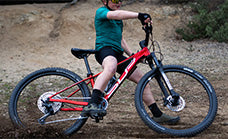
Electric mountain bikes combine traditional off-road capability with modern electric propulsion, designed for riders seeking enhanced performance on challenging terrain. Our collection features a range of electric mountain bikes engineered for power, control, and all-terrain adventure. Whether you're tackling steep climbs, navigating technical descents, or extending your ride distance, electric mountain bikes deliver the boost you need to conquer trails with confidence and enjoy longer off-road adventures.
Why Choose electric mountain bikes
Electric mountain bikes transform how you experience trail riding by removing physical barriers and opening new possibilities. With motor assistance, you can climb steeper grades, maintain higher speeds over longer distances, and reduce fatigue on demanding terrain. The added power lets you focus on technique and enjoyment rather than struggling against gravity or exhaustion, making every ride more accessible and rewarding regardless of your fitness level or experience.
Types of electric mountain bikes
Hardtail Electric Mountain Bikes
Hardtail e-mountain bikes feature front suspension only, making them lighter and more efficient than full-suspension models. They excel on smoother trails and steady climbs where bump absorption is less critical. Hardtails offer direct power transfer and are ideal for riders prioritizing efficiency and who encounter less technical terrain.
Full-Suspension Electric Mountain Bikes
Full-suspension e-mountain bikes integrate both front and rear suspension systems for maximum control and comfort on rocky, technical descents. These models absorb impact effectively, improve traction on rough ground, and provide confident handling on demanding trails. They're the choice for riders tackling aggressive terrain who value stability and comfort over weight savings.
Enduro and Downhill E-Mountain Bikes
Built for the most challenging terrain, enduro and downhill e-mountain bikes are engineered to handle steep descents, aggressive riding, and demanding technical features. These bikes prioritize durability, suspension performance, and control, making them suitable for experienced riders pursuing high-intensity trail experiences.
How to Choose the Right electric mountain bike
Selecting the right electric mountain bike depends on several factors working together:
Experience Level and Terrain: Beginners benefit from hardtail models on moderate trails, while experienced riders tackling technical descents should consider full-suspension designs. Match bike capability to the trails you'll actually ride most often.
Suspension Type: Evaluate whether front suspension alone meets your needs or if full suspension's added comfort and control justifies the extra weight and cost. Consider the roughness and technical difficulty of your regular riding terrain.
Motor and Battery Performance: Mid-drive motors deliver balanced performance and natural pedaling feel. Battery range of 40 to 100 miles typically covers most day rides; verify actual range based on terrain, rider weight, and assist level used. Check whether battery is user-replaceable for future flexibility.
Frame Material: Aluminum offers durability and affordability, while carbon fiber provides weight savings and enhanced performance at higher cost. Both materials support the added weight of motors and batteries effectively.
Tire Width and Tread: Wider tires deliver enhanced grip and stability on loose, rocky, or uneven ground. Match tire specification to your typical terrain conditions.
Power Modes: Look for customizable assist levels—typically eco, trail, and boost modes—allowing you to balance battery conservation with performance needs throughout your ride.
Key Features to Look For
Electric Motor and Battery Technology
Mid-drive motors integrate seamlessly with your bike's drivetrain for natural power delivery and efficient energy use. Battery capacity directly affects range; most electric mountain bikes offer 40 to 100 miles per charge depending on terrain, rider weight, and assistance level. Verify charging time, battery lifespan, and whether replacement batteries are readily available through your local dealer.
Suspension Design
Suspension quality and travel (measured in millimeters) determine how effectively your bike absorbs impacts and maintains traction. Front-only suspension suits smoother trails, while full-suspension provides confidence and control on technical, rocky terrain. Higher-quality suspension components improve performance and durability over time.
Frame Materials and Durability
Aluminum and carbon fiber both support the added weight of motor and battery systems. Aluminum offers excellent value and strength, while carbon fiber reduces overall weight for improved handling. Inspect welds and joints for quality construction that will endure regular trail use.
Drivetrain Components
Quality gearing, brakes, and shifters enhance reliability and control. E-mountain bikes typically use robust components designed to handle additional motor torque and extended use without premature wear.
Traction and Stability
Wider, knobby tires provide superior grip on loose soil, rocks, and technical features. Tire width should match your typical terrain; wider tires improve stability and control at the slight cost of rolling efficiency.
Recommended For
Trail Enthusiasts Seeking Extended Range
Riders who want to explore longer routes, access distant trailheads, or spend more time riding benefit from electric mountain bikes' extended range and reduced fatigue.
Climbers Tackling Steep Elevation Gain
Motor assistance makes steep climbs manageable and enjoyable, allowing you to spend more energy on technical descents and less on grinding uphill.
Experienced Riders Pursuing Technical Terrain
Riders with advanced skills seeking full-suspension e-mountain bikes can apply their technique to more challenging trails while enjoying reduced physical demand.
Returning Riders Rebuilding Fitness
Electric assist allows riders returning from injury or breaks in activity to rejoin trail communities and build fitness gradually at their own pace.
Featured Brands
Polygon: Polygon manufactures electric mountain bikes including the Siskiu TE-N and Collosus N8E models. These bikes are part of Polygon's broader e-mountain bike lineup available through our collection.
Bosch E-Mountain Bike Systems: electric bike supplies electric drivetrain technology integrated into several models we carry, bringing established motor and battery engineering to electric mountain bikes in our collection.
Frequently Asked Questions
What is an electric mountain bike?
An electric mountain bike—also called an e-bike, e-mtb, or emtb—is a traditional mountain bike equipped with an integrated electric motor and rechargeable battery that assist your pedaling, helping you ride farther, climb easier, and explore more demanding terrain.
How far can electric mountain bikes travel on a single charge?
Most electric mountain bikes offer a range of 40 to 100 miles per charge, depending on terrain type, rider weight, speed, assistance level used, and weather conditions. Hilly or technical terrain typically reduces range compared to flat riding.
Can you ride an electric mountain bike on regular mountain bike trails?
Yes, electric mountain bikes can be ridden on many traditional mountain bike trails. Always check local trail regulations beforehand, as some areas have specific rules about electric bike use or weight restrictions.
What's the difference between hardtail and full-suspension e-mountain bikes?
Hardtail e-mountain bikes have front suspension only, making them lighter and more efficient for smoother terrain. Full-suspension models include rear suspension for enhanced comfort and control on technical, rocky descents and demanding trails.
Do electric mountain bikes require special maintenance?
Electric mountain bikes need regular maintenance similar to traditional bikes—chain care, brake checks, and tire pressure. Additionally, periodically check battery connections and follow manufacturer charging guidelines to maintain battery health over time.
How long do electric mountain bike batteries last?
Most e-mountain bike batteries maintain usable capacity for several years of regular use. Battery lifespan depends on charging habits, temperature exposure, and overall usage. Check with manufacturers for specific warranty information and replacement options.
What motor types are used in electric mountain bikes?
Mid-drive motors are most common in electric mountain bikes, providing balanced performance by integrating with your bike's existing gears. This design offers natural pedaling feel and efficient power transfer compared to hub-motor alternatives.
Can you pedal an electric mountain bike without using the motor?
Yes, electric mountain bikes function as regular bikes when the motor is off or depleted. You can pedal normally, though the added weight of the motor and battery will feel slightly heavier than traditional mountain bikes.
What does "assist level" or "power mode" mean?
Power modes—typically eco, trail, and boost—control how much motor assistance you receive. Eco mode conserves battery for longer range, trail mode balances assistance and efficiency, and boost mode provides maximum power for steep climbs or challenging terrain.
How much do electric mountain bikes weigh?
Electric mountain bikes typically weigh 45 to 55 pounds depending on frame size, suspension type, and component choices. The motor and battery account for most of this additional weight compared to non-electric models.
Are electric mountain bikes suitable for beginners?
Yes, electric mountain bikes are excellent for beginners because motor assistance reduces physical demand while building confidence on trails. Start with hardtail models on moderate terrain to develop skills before progressing to more technical trails.
What charging time should I expect?
Most electric mountain bike batteries fully charge in 3 to 5 hours depending on battery capacity and charger type. Refer to manufacturer specifications for your specific model's charging duration.
Do electric mountain bikes perform well in wet or muddy conditions?
Yes, electric mountain bikes handle wet and muddy trails well. The wider tires and suspension systems provide traction and control in challenging conditions. Keep electrical connections clean and dry to maintain safety and component longevity.
What should I look for when comparing electric mountain bike prices?
Evaluate motor type and power output, battery capacity and range, suspension quality and travel, frame material, drivetrain components, wheel and tire specification, and warranty coverage. Higher-priced models typically offer premium components and longer battery range.
Explore Related Collections
Complement your electric mountain bike knowledge by exploring related product categories. Consider browsing hardtail mountain bikes and full-suspension mountain bikes to understand non-electric alternatives and compare suspension designs. Electric bike accessories collections help you maximize comfort and performance. Mountain bike tires and grips ensure your ride handles any terrain. Protective gear and helmets are essential for safe trail riding. Electric bike batteries and chargers support long-term ownership and range extension. Discover these categories to build a complete riding setup matched to your trail adventures and riding style.
Helpful Buying Guides
Deepen your e-mountain bike knowledge with supporting resources. Explore beginner guides to electric mountain biking that cover fundamentals and first-ride preparation. Read electric mountain bike suspension comparison articles clarifying hardtail versus full-suspension tradeoffs. Learn about electric bike battery care and range optimization to extend lifespan and maximize distance. Review electric mountain bike terrain matching guides connecting bike features to specific trail types. Discover electric bike motor technology explanations comparing mid-drive and hub-motor designs. Access electric mountain bike fit and sizing guides ensuring proper bike geometry for your height and proportions. These resources provide context and confidence before making your purchase decision.