














Dirt Jump Bikes: Conquer the Air and the Trails with Style
Find the Best dirt jumper
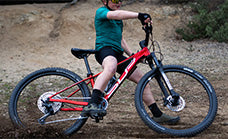
A dirt jumper is a specialized bike engineered for launching, landing, and performing tricks on jumps, ramps, and park features. Our collection features purpose-built dirt jumpers with compact frames, responsive geometry, and durable components designed to absorb hard impacts while keeping you nimble in the air. Whether you're clearing gaps at a dirt jump course, hitting street features, or progressing tricks at a bike park, a quality dirt jumper gives you the confidence and control to push your riding to the next level.
Explore our Dirt Jump And Bmx Bicycle Tires for more options relevant to this topic.
Read our How Often Should You Replace Bike guide for more practical information.
Dirt jumpers are ideal for riders who prioritize aerial performance over long-distance travel. They're built lighter and more aggressively than trail bikes, with geometry tuned for quick takeoffs and smooth landings. This collection includes options for beginners learning their first jumps and experienced riders refining complex combinations.
Why Choose dirt jumper
Dirt jumpers deliver specialized benefits that general-purpose bikes cannot match. The compact frame geometry places your body in the optimal position for launch and rotation, while short-travel or rigid forks keep your front wheel responsive during takeoff and landing. The reinforced frame construction absorbs repetitive impact stress that would damage traditional bikes.
Choosing a purpose-built dirt jumper means you get:
- Lightweight, durable frames built to handle high-impact landings repeatedly
- Responsive steering geometry for precise mid-air control and rotation
- Single-speed or minimal drivetrain setups that reduce weight and maintenance
- Braking systems tuned for quick stops and smooth feathering before takeoff
- Components rated for aggressive, technical riding rather than cross-country efficiency
Whether you're learning your first tabletop or executing advanced flip combinations, a dirt jumper provides the precision, feedback, and durability that progression demands.
Types of dirt jumper
Hardtail Dirt Jumpers
Hardtail dirt jumpers feature a rigid rear end paired with a short-travel or rigid fork. This setup keeps weight minimal and power transfer direct, making hardtails the preferred choice for most dirt jump riders. They excel at park features, pump tracks, and technical dirt courses.
Best for: Riders prioritizing simplicity, low maintenance, and direct feedback from the ground.
Pros: Lighter weight, easier to maintain, more responsive feel, lower cost than full-suspension options.
Considerations: Less impact absorption on heavy landings; best suited to riders with solid technique who choose landing zones carefully.
Full-Suspension Dirt Jumpers
Full-suspension dirt jumpers add rear suspension to manage landing impact and smooth out rough terrain. Some riders prefer the extra compliance and injury prevention, though suspension adds weight and complexity.
Best for: Riders seeking extra cushioning on hard landings or those transitioning from traditional mountain bikes.
Pros: Better impact absorption, more forgiving on mistakes, smoother over rough features.
Considerations: Heavier weight affects maneuverability; requires regular maintenance and tuning.
Slopestyle Dirt Jumpers
Slopestyle bikes blur the line between dirt jump and all-mountain designs, offering slightly longer travel and slack geometry for faster, more technical terrain. These bikes handle bigger features and longer lines than traditional dirt jumpers.
Best for: Riders tackling larger mountain features, multi-feature lines, and varied terrain.
Pros: Versatile enough for park features and natural terrain; stable at higher speeds.
Considerations: Heavier and less agile than pure dirt jumpers; may feel overkill for small park features.
How to Choose the Right dirt jumper
Selecting the right dirt jumper depends on your experience level, intended use, and personal preferences. Here's what to consider:
Experience Level and Riding Style
Beginners benefit from forgiving geometry, reliable brakes, and durable construction that tolerates imperfect landings. Intermediate riders often prefer lightweight hardtails for direct feedback and progression. Advanced riders may choose specialized slopestyle or full-suspension options based on their specific terrain.
Bike Park vs. Street vs. Dirt Jumps
Purpose-built dirt jump courses demand bikes optimized for technical features and precision. Street riding benefits from slightly more aggressive geometry and durability for harder impacts. Pump tracks favor lightweight hardtails with responsive steering. Consider where you'll spend most of your time.
Frame Size and Geometry
Dirt jumpers typically come in smaller sizes than trail bikes due to their compact geometry. Proper fit is critical—your weight distribution during takeoff and landing directly affects your control. A bike that feels slightly small offers better maneuverability; one that's too large reduces responsiveness.
Budget and Component Quality
Entry-level dirt jumpers provide solid performance for learning fundamentals. Mid-range models add lighter frames and better brakes. Premium options offer refined geometry, lighter weight, and components built to withstand years of aggressive use. dirt jump bikes at every price point in this collection are chosen for durability and value.
Wheel Size Considerations
Most modern dirt jumpers use 26-inch wheels, offering responsive handling and tricks-friendly proportions. Some riders prefer 27.5-inch wheels for slightly larger features. Wheel size affects your bike's feel, so consider your terrain and comfort zone when choosing.
Key Features to Look For
Frame Material and Construction
Steel and aluminum are the primary frame materials for dirt jumpers. Steel offers durability and repairability but weighs more. Aluminum provides a lighter platform with excellent stiffness-to-weight ratio. Look for reinforced welding around the bottom bracket and seat tube, where impact stress concentrates.
Fork Design and Travel
Rigid forks offer maximum responsiveness and light weight but provide no impact cushioning. Short-travel forks (typically 80–[verify specification]) balance bump absorption with direct feedback. Choose based on your terrain and how much compliance you prefer.
Braking System
Mechanical or hydraulic disc brakes are essential for dirt jumper control. Hydraulic systems offer better modulation and stopping power but require maintenance. Mechanical brakes are simpler and more durable in dusty conditions. Both should provide reliable, consistent stopping power before every takeoff.
Drivetrain and Gearing
Most dirt jumpers run single-speed setups for simplicity and weight savings. Some offer 1x drivetrain options with limited gearing for terrain variety. Single-speed forces focused riding and simpler maintenance, while gearing adds versatility for varied terrain.
Tire Selection and Grip
Knobby, medium-width tires (2.2–[verify specification]) balance grip and rolling speed. Front tires prioritize cornering traction; rear tires focus on acceleration and braking grip. Proper tire pressure affects your bike's feel and impact absorption on landings.
Durability and Impact Resistance
Dirt jumpers endure repeated high-impact landings, so frame strength and component quality matter. Look for reinforced seat tubes, solid hubs, and proven drivetrain components. Quality construction translates to longer lifespan and better performance progression.
Recommended For
New Dirt Jump Riders
Beginners benefit from forgiving geometry, simple maintenance, and reliable brakes that let you focus on technique rather than equipment faults. A hardtail with solid components builds foundational skills.
Park and Pump Track Specialists
Riders dedicated to bike parks and pump tracks thrive on lightweight, responsive hardtails optimized for technical features and tricks. These bikes reward precise input and progression.
Trail and Street Explorers
Riders who blend dirt jumps, street features, and natural terrain benefit from slightly longer-travel or slopestyle geometry that handles varied terrain while maintaining tricks capability.
Experienced Trick Riders
Advanced riders seeking to refine tricks and maximize air control often prefer lightweight hardtails that provide maximum feedback and rotational responsiveness.
Featured Brands
Polygon
Polygon produces dedicated dirt jump bikes engineered for park and technical terrain. Their Trid series focuses on aggressive geometry and reinforced construction for competitive riders and progressing enthusiasts. Polygon bikes in this collection are selected for their balance of performance and value.
The Polygon Trid ZZ, specifically designed for slopestyle and dirt jump riding, combines extended geometry with responsive handling for riders tackling larger features and multi-section lines. Polygon's component selection and frame construction support aggressive riding demands.
View Polygon Trid Zz Slopestyle Dirt Jump as another relevant option to consider.
Frequently Asked Questions
What makes dirt jump bikes different from regular mountain bikes?
Dirt jump bikes feature compact geometry, short-travel or rigid forks, single-speed drivetrains, and reinforced frames optimized for jumps and tricks. Mountain bikes prioritize trail efficiency, longer travel, and gearing for climbing, making them heavier and less agile in the air.
Can beginners ride dirt jump bikes?
Yes. Dirt jumpers are excellent for beginners learning balance, control, and basic aerial skills. The responsive geometry and simple construction provide direct feedback that accelerates skill development.
How do dirt jump bikes compare to fixed-gear bikes?
Both share minimalist, single-speed design. A fixed-gear bike is built for smooth urban riding and consistent pedaling cadence. A dirt jumper prioritizes high-impact durability, suspension options, and aerial control. The riding styles and terrain differ completely.
What wheel size should I choose?
Most modern dirt jumpers use 26-inch wheels for responsive handling and tricks-friendly proportions. Some riders prefer 27.5-inch wheels for slightly larger features. Your height, strength, and terrain should guide your choice.
Is a hardtail or full-suspension dirt jumper better?
Hardtails are lighter, simpler, and more responsive—preferred by most dirt jumpers. Full-suspension adds impact absorption but increases weight and maintenance. Choose based on your terrain and how much cushioning you prefer.
How important is frame material?
Steel offers durability and repairability; aluminum provides lighter weight and excellent stiffness. Both work well for dirt jumping. Focus on frame geometry and construction quality over material alone.
Do I need suspension on a dirt jumper?
Most dirt jumpers use rigid forks for maximum responsiveness. Short-travel forks (80–[verify specification]) offer a middle ground. Full suspension adds compliance but weight. Your terrain and personal preference determine what works best.
What tire pressure should I use?
Start with manufacturer recommendations and adjust based on feel. Lower pressure (1.8–2.0 bar) offers more grip and impact absorption; higher pressure (2.2–2.5 bar) reduces rolling resistance. Experiment to find your ideal setup.
How do I maintain a dirt jumper?
Regular maintenance includes cleaning after riding, checking brake pads and cable tension, lubricating the chain, inspecting the frame for cracks, and replacing worn tires. Single-speed drivetrains require less upkeep than geared bikes.
Can I ride a dirt jumper on trails?
Yes, but it's not ideal. Dirt jumpers excel on technical features, jumps, and park terrain. Long-travel mountain bikes handle sustained trail riding better due to suspension and gearing efficiency.
What's the difference between dirt jump and BMX bikes?
BMX bikes are smaller, use 20-inch wheels, and emphasize tricks and tricks-focused riding. Dirt jumpers use 26-inch or 27.5-inch wheels, longer frames, and suspension options. Both prioritize tricks but serve different scales and terrain.
How long does a dirt jumper last?
A well-maintained dirt jumper lasts several years of regular riding. Frames rarely fail; components like brakes, tires, and drivetrain wear predictably and are easily replaced. Quality construction extends longevity significantly.
Is a dirt jumper good for fitness?
Dirt jumping is excellent for explosive power, balance, and body awareness. It's not designed for aerobic fitness. Combine dirt jumping with other cardio activities if cardiovascular conditioning is a goal.
What safety gear should I wear?
A quality helmet is essential. Wrist guards, elbow pads, knee pads, and shin guards reduce injury risk while learning. As skills improve, many riders reduce protective gear, but helmets remain non-negotiable.
Explore Related Collections
Building topical authority around dirt jumping involves exploring adjacent bike types and disciplines. Consider browsing collections focused on slopestyle and all-mountain bikes for riders interested in larger terrain features. BMX bikes and pump track bikes offer different takes on tricks and technical riding. Trail and enduro bikes serve riders who want suspension and gearing for longer adventures. XC and hardtail mountain bikes appeal to riders prioritizing efficiency and endurance over aerial performance. Cross-country platforms and gravel bikes round out the broader cycling ecosystem.
Helpful Buying Guides
To deepen your knowledge before purchasing, explore supporting resources on dirt jump bike geometry and why compact frames matter for tricks. Articles covering brake selection for dirt jumping, tire choice and pressure tuning, and frame material comparison (steel vs. aluminum) help you make informed decisions. Guides on slopestyle riding and progressing from tricks to larger features bridge dirt jumping and all-mountain disciplines. Safety gear selection, maintenance schedules, and tricks progression articles round out your preparation. Seasonal terrain and weather considerations for dirt jumping, plus guides on finding and evaluating dirt jump courses and bike parks near you, add practical value to your purchase decision.