

Skip to content

Gravel Bikes: The Ultimate All-Terrain Companion

Find the Best Gravel bikes

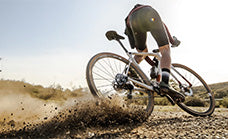
Gravel bikes are the ultimate all-terrain solution for riders seeking freedom, versatility, and performance across multiple surfaces. Our collection features carefully selected gravel bikes designed for backroad exploration, weekend adventure rides, and comfortable commuting. Whether you're a seasoned cyclist or new to off-road riding, you'll find gravel bikes that combine drop handlebars for aerodynamics, wider tires for stability, and durable frames built to handle challenging terrain. Each model in our selection pairs the best features of road bikes, cross country bikes, and mountain bikes into one versatile platform.

Why Choose Gravel bikes

Gravel bikes stand out because of their exceptional all-terrain versatility. They deliver smooth performance on paved roads while offering genuine capability on dirt, gravel, and mixed surfaces. This unique combination makes gravel bikes suitable for riders who want the freedom to explore without boundaries. You get:

  • Multiple hand positions for comfort on long rides and improved aerodynamics
  • Wider tire clearance for better grip and control on loose surfaces
  • Relaxed geometry that balances speed with stability
  • Durable frames designed for both speed and carrying capacity
  • Drop handlebars that work efficiently across terrain changes

Whether you're planning long-distance bike packing trips, tackling weekend adventures, or simply looking for a fast and comfortable commuter, gravel bikes deliver unmatched capability across multiple riding scenarios.

Types of Gravel bikes

Adventure Gravel Bikes

Perfect for long-distance touring, multi-day trips, and exploration. Adventure gravel bikes prioritize stability, comfort, and practicality for extended journeys. These models typically feature mounting points for racks, fenders, and accessories, making them ideal for bike packing expeditions into remote areas.

Best for: Long-distance touring, multi-day adventures, off-the-beaten-track exploration, and riders prioritizing comfort over speed.

Pros: Abundant mounting options, relaxed geometry for comfort, durable construction, excellent for carrying gear.

Considerations: Typically heavier than performance models; may sacrifice speed for stability and load capacity.

Performance Gravel Bikes

Built for speed, racing, and efficient climbing on mixed terrain. Performance gravel bikes use lightweight materials and responsive geometry to maximize efficiency and control. These models appeal to competitive riders and those seeking to push personal limits across varied surfaces.

Best for: Gravel racing, fast recreational riding, climbs, and riders prioritizing speed and responsiveness.

Pros: Lightweight construction, responsive handling, excellent climbing ability, high efficiency on packed surfaces.

Considerations: Fewer mounting points than adventure models; less comfort on extended rides; higher price point.

How to Choose the Right Gravel bike

Selecting the best gravel bike depends on your intended use, riding style, and budget. Consider these key factors:

Terrain and Riding Style

Determine where you'll ride most often. If you plan long-distance bike packing trips, opt for a model with ample mounting options and a durable frame. Looking for speed on mixed terrain? Choose a lightweight carbon or aluminum frame. Consider whether you'll face mostly packed gravel, loose surfaces, or mixed conditions.

Frame Material

Frame material significantly affects performance, weight, and price. Carbon offers the best weight-to-strength ratio and responsiveness but commands premium pricing. Aluminum provides excellent value, durability, and reasonable weight. Steel delivers comfort and reliability, ideal for touring. Each material suits different riding priorities and budgets.

Components and Drivetrain

Gravel bikes typically feature 1x (single-ring) or 2x (double-ring) drivetrains. Single-ring setups offer simplicity and lighter weight, while dual rings provide broader gear range for climbing and speed. Evaluate brake type—hydraulic disc brakes offer superior stopping power in wet and muddy conditions.

Tire Width and Clearance

Most riders prefer 38–45mm tires for mixed surfaces. For rougher trails and loose terrain, 45–50mm tires offer more grip and comfort. Check frame and fork clearance to ensure compatibility with your intended tire size.

Budget Considerations

Entry-level gravel bikes start at accessible price points and deliver solid performance for beginners and casual riders. Mid-range models offer improved components and materials for serious enthusiasts. Premium carbon gravel bikes justify higher investment through weight savings, responsiveness, and long-term durability for dedicated riders.

Key Features to Look For

Frame Geometry and Handling

Gravel bike geometry balances the responsiveness of road bikes with the stability of mountain bikes. Relaxed head tube angles improve stability on rough surfaces, while slightly longer wheelbases enhance comfort on long rides. Drop handlebars provide multiple hand positions for varying conditions and fatigue management.

Tire Clearance and Tread Design

Adequate tire clearance prevents mud buildup and allows flexibility in tire selection. Knobby tread patterns excel on loose gravel and dirt, while file tread designs work better on mixed surfaces and pavement. Sidewall thickness affects puncture resistance during off-road riding.

Braking Performance

Hydraulic disc brakes provide superior modulation and stopping power compared to rim brakes, especially in wet, muddy, or contaminated conditions. Larger rotor sizes ([verify specification] front, [verify specification] rear) offer better heat dissipation and consistent performance during extended descents.

Drivetrain Efficiency

Modern gravel drivetrains prioritize reliability and ease of maintenance. Electronic or mechanical shifting systems should operate smoothly across the full gear range. Wide cassettes provide the gear spread needed for climbing loaded and descending safely.

Recommended For

Adventure Seekers and Bike Packers

Riders planning multi-day trips and exploration benefit from gravel bikes with multiple mounting points, durable construction, and relaxed geometry designed for carrying gear and maintaining comfort over extended distances.

Weekend Riders and Explorers

Those seeking backroad freedom and weekend adventures find gravel bikes ideal for discovering new routes beyond paved networks while maintaining the speed and efficiency of road cycling.

Competitive Cyclists

Gravel racers and performance-focused riders benefit from lightweight carbon models with responsive geometry that maximize efficiency and climbing ability on varied terrain.

Commuters Seeking Versatility

Daily riders who encounter mixed surfaces benefit from gravel bikes' stability, comfort, and capacity for fenders, lights, and racks—making them excellent do-everything commuters.

Beginners and New Cyclists

Gravel bikes offer excellent entry points for new cyclists due to their stability, comfort, and versatility across multiple surfaces and riding conditions.

Featured Brands

Polygon

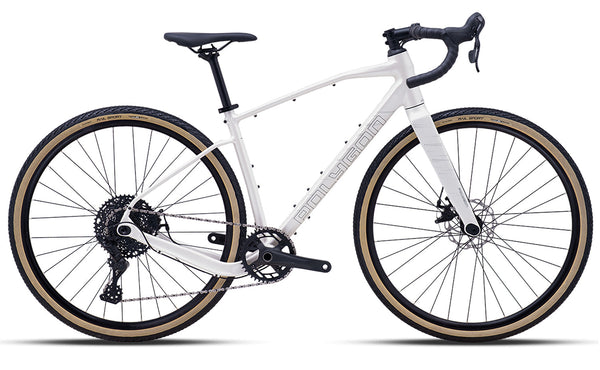
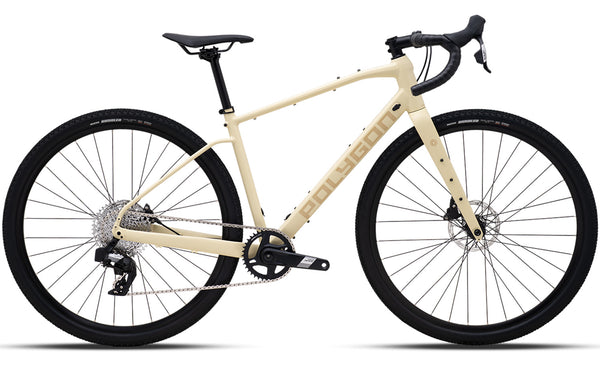
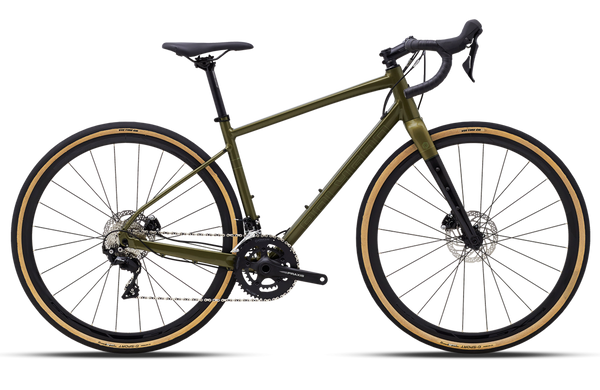
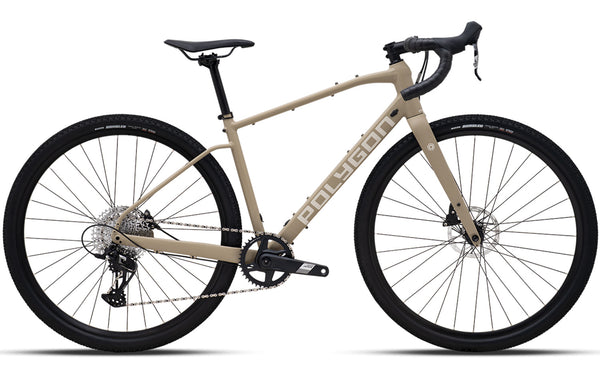
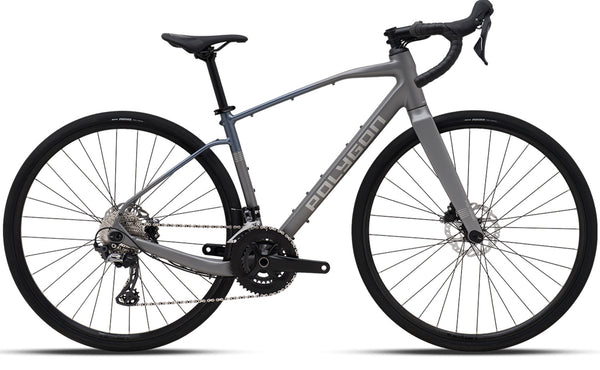
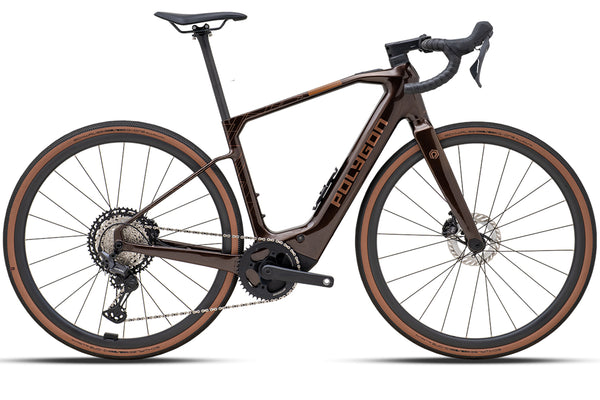
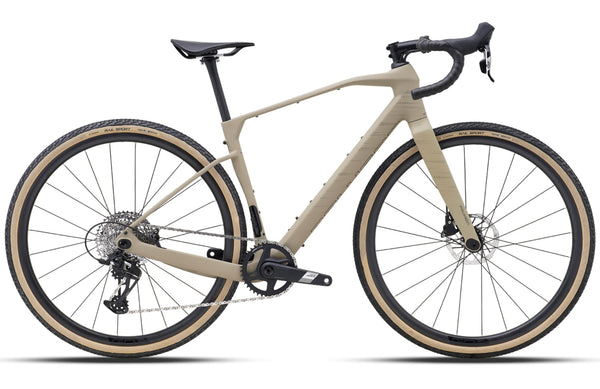
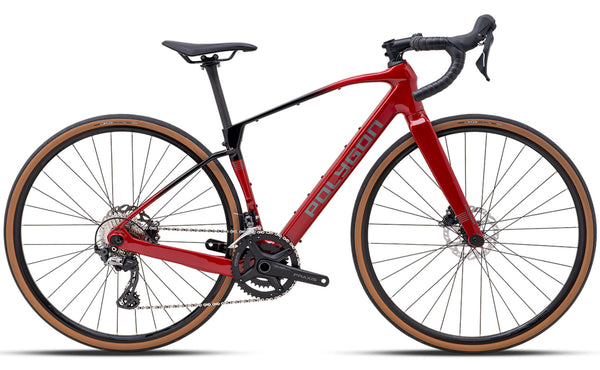
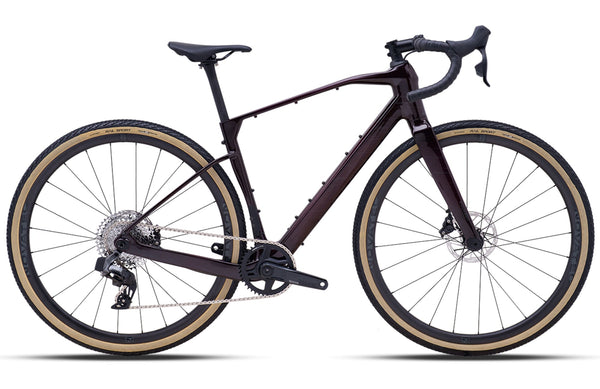
Polygon offers multiple gravel bike options across different price points and specializations. The Bend R6 delivers versatile performance for mixed-terrain riding, while the Tambora series provides both aluminum and carbon models. The eGravel Tambora AE-N Carbon combines electric assistance with carbon construction for riders seeking pedal-assist capability on varied terrain.

View Polygon Tambora A5 Carbon Gravel Bike as another relevant option to consider.

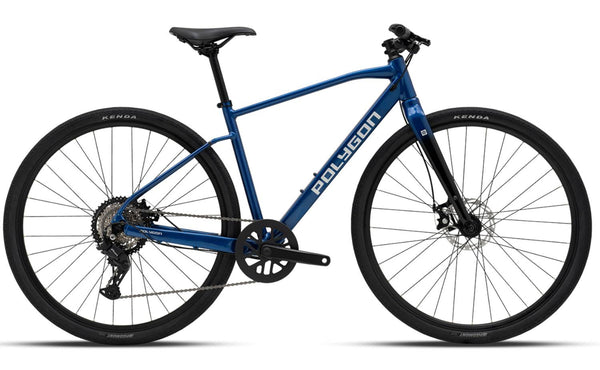
View 2025 Polygon Strattos S7 Disc Shimano as another relevant option to consider.

3T

3T's Primo GRX 1x12 700c brings performance-oriented design and carbon construction to the gravel category, emphasizing responsive handling and efficient climbing for riders prioritizing speed and responsiveness on mixed surfaces.

Frequently Asked Questions

Are gravel bikes good for beginners?

Yes. Gravel bikes are extremely versatile, stable, and comfortable, making them ideal for new riders who want a do-everything bicycle that performs across multiple surface types and riding scenarios.

What tire size is best for gravel riding?

Most riders prefer 38–45mm tires for mixed surfaces. For rougher trails and loose gravel, 45–50mm tires offer more grip, comfort, and suspension-like compliance.

Can I use a gravel bike for daily commuting?

Absolutely. Gravel bikes are comfortable, durable, and easy to fit with racks, mudguards, and lights, making them excellent all-weather commuters.

What is the difference between a gravel bike and a road bike?

Gravel bikes have wider tire clearance, stronger frames, and more relaxed geometry, giving better control and comfort on dirt and rough surfaces. Road bikes prioritize speed on pavement with narrower tires and responsive handling.

Are carbon gravel bikes worth it?

If you want speed, responsiveness, and lightweight performance, carbon is the best choice. For touring and rough use, aluminum or steel may be more practical and cost-effective.

Can I fit fenders and racks on a gravel bike?

Most gravel bikes include mounting bosses for fenders and racks. Check your specific model's clearance and mounting points before purchasing accessories.

What is the ideal frame size for a gravel bike?

Gravel bike sizing follows standard road bike charts but may feel slightly roomier due to relaxed geometry. Proper fit requires considering inseam, torso length, and arm reach; visit a local shop for professional fitting when possible.

How do gravel bikes perform on pavement?

Gravel bikes perform capably on pavement, though wider tires and relaxed geometry create slightly more rolling resistance compared to dedicated road bikes. The tradeoff provides superior comfort and all-terrain capability.

What maintenance does a gravel bike require?

Gravel bikes benefit from regular cleaning after off-road riding to prevent dirt accumulation in the drivetrain. Standard maintenance includes chain lubrication, brake adjustment, and periodic bearing service—similar to any quality bicycle.

Can I race a gravel bike?

Yes. Performance-oriented gravel bikes with lightweight frames and responsive geometry are purpose-built for gravel racing and competitive off-road events.

What's the difference between 1x and 2x drivetrains on gravel bikes?

1x (single-ring) drivetrains offer simplicity, lighter weight, and faster shifting. 2x (double-ring) drivetrains provide broader gear range, beneficial for climbing with heavy loads or maximizing top-end speed.

Are electronic drivetrains necessary on gravel bikes?

Electronic drivetrains offer precise, fast shifting and require minimal maintenance. Mechanical drivetrains remain reliable, affordable alternatives that perform well with proper setup and care.

How do I prevent flats while gravel riding?

Use quality tires with reinforced casings, consider puncture-resistant models, maintain proper tire pressure for conditions, and carry repair supplies. Some riders use tire sealant for added protection against small punctures.

Explore Related Collections

Expand your cycling options by exploring related categories. Adventure seekers might consider our mountain bike collection for technical trail capability. Road bike enthusiasts can compare road bike geometry and speed characteristics. For riders interested in electric options, our e-bike collection includes electric gravel models. Cross country bikes offer another perspective on off-road versatility, while hybrid bikes provide alternative do-everything solutions for commuters and casual riders.

Helpful Buying Guides

Support your gravel bike purchase with additional resources. A guide to bike sizing and fit ensures you select the correct frame size. Learn about tire selection and pressure guidelines to optimize performance across varying terrain. Explore drivetrain comparison guides to understand 1x versus 2x systems. A gearing guide explains cassette ratios and gear ranges for climbing and speed. Frame material comparisons clarify carbon, aluminum, and steel tradeoffs. Brake type guides explain hydraulic disc, mechanical disc, and rim brake differences. Component upgrade information helps prioritize improvements over time. Accessory guides cover fenders, racks, lights, and protection equipment. Maintenance fundamentals keep your gravel bike performing reliably season after season.

Loading

Compare Bikes

ADD A BIKE BY SEARCH
Loading

No results found

Suggested bikes

Add more products to compare

${ product.compareTitle }
${ product.price | currencyFromCents } ${ product.compare_at_price | currencyFromCents }
  • Description
  • ${category.name}
    ${component.replace(/_/g, ' ')}
Shop Now

${ localeText.general.title }

${ localeText.general.sub_title }

Bike Finder

${getQuestionText()}

Getting your results

Loading