















Electric Bikes for Sale
Electric Bikes: Power Your Ride with Efficiency and Comfort
Find the Best Electric Bike
An electric bike combines human power with motor assistance, making cycling accessible, efficient, and enjoyable for riders of all abilities. Whether you're commuting through city streets, exploring gravel roads, tackling mountain trails, or training on pavement, BikesOnline offers electric bikes engineered for performance and comfort.
Our electric bike collection includes models across four primary categories: electric mountain bikes for off-road adventure, urban e-bikes for daily commuting, e-gravel bikes for mixed-terrain exploration, and electric road bikes for speed and endurance. Each type serves specific riding needs while maintaining the reliability and quality BikesOnline customers expect.
View 2025 Polygon Strattos S7X Carbon Endurance as another relevant option to consider.
View 2025 Polygon Strattos S8X Carbon Endurance as another relevant option to consider.
Why Choose Electric Bikes
Electric bikes deliver measurable benefits that extend beyond the ride itself. Switching from a car to an ebike can save over $2,000 annually in fuel, parking, and maintenance costs. E-bikes produce zero direct emissions and require significantly fewer resources than vehicles, making them an environmentally responsible choice.
From a personal wellness perspective, electric bikes offer customizable exercise that's gentle on joints while building cardiovascular fitness and mental well-being. The pedal-assist technology amplifies your natural pedaling effort, allowing you to ride longer distances, tackle steeper terrain, and arrive at your destination fresh rather than exhausted.
Cost savings through reduced transportation expenses
Environmental benefits with zero emissions
Health improvements via customizable, low-impact exercise
Extended range and reduced physical fatigue
Flexibility to replace short car trips and reduce commute time
Types of Electric Bikes
Electric Mountain Bikes
E-mountain bikes are purpose-built for off-road terrain, combining powerful mid-drive motors with full-suspension or hardtail frames and aggressive tread tires. These bikes deliver up to 85Nm of torque, enabling smooth climbing of steep grades and technical descents that would challenge traditional mountain bikes.
Best for: Trail enthusiasts, adventure seekers, and riders tackling rocky singletrack, forest paths, and high-altitude climbs.
Pros: Superior hill-climbing ability, confidence on technical terrain, extended exploration range, full-suspension comfort options.
Considerations: Heavier weight than other e-bikes, higher price point, battery consumption increases on maximum assist and challenging terrain.
Electric Urban and Commuter Bikes
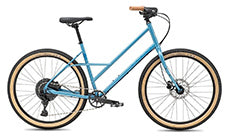
Urban e-bikes prioritize efficiency, comfort, and practicality for city riding. Equipped with mid-drive motors, high-volume slick tires, and hydraulic disc brakes, these bikes deliver smooth, controlled performance on streets and bike lanes. Class 1 and Class 3 options provide flexibility for different commuting preferences.
Best for: Daily commuters, urban professionals, and riders seeking a practical alternative to car travel.
Pros: Affordable entry point, lightweight and maneuverable design, long range on flat terrain, low maintenance, style-conscious geometry.
Considerations: Less capable on rough terrain, battery range decreases with hills and maximum assist, not designed for off-road use.
Electric Gravel Bikes
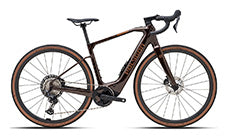
E-gravel bikes combine lightweight, robust frames with wide all-terrain tires and capable motors, creating versatile platforms for bikepacking and long-distance mixed-terrain riding. These bikes handle gravel roads, light trails, and pavement with equal competence, making them ideal for riders seeking adventure beyond paved routes.
Best for: Adventure cyclists, bikepacking enthusiasts, touring riders, and explorers seeking versatility.
Pros: Exceptional terrain versatility, lightweight design reduces motor strain, extended battery life, smooth handling precision, suitable for long distance.
Considerations: More specialized than commuter bikes, moderate price range, benefits from understanding terrain-specific riding techniques.
Electric Road Bikes
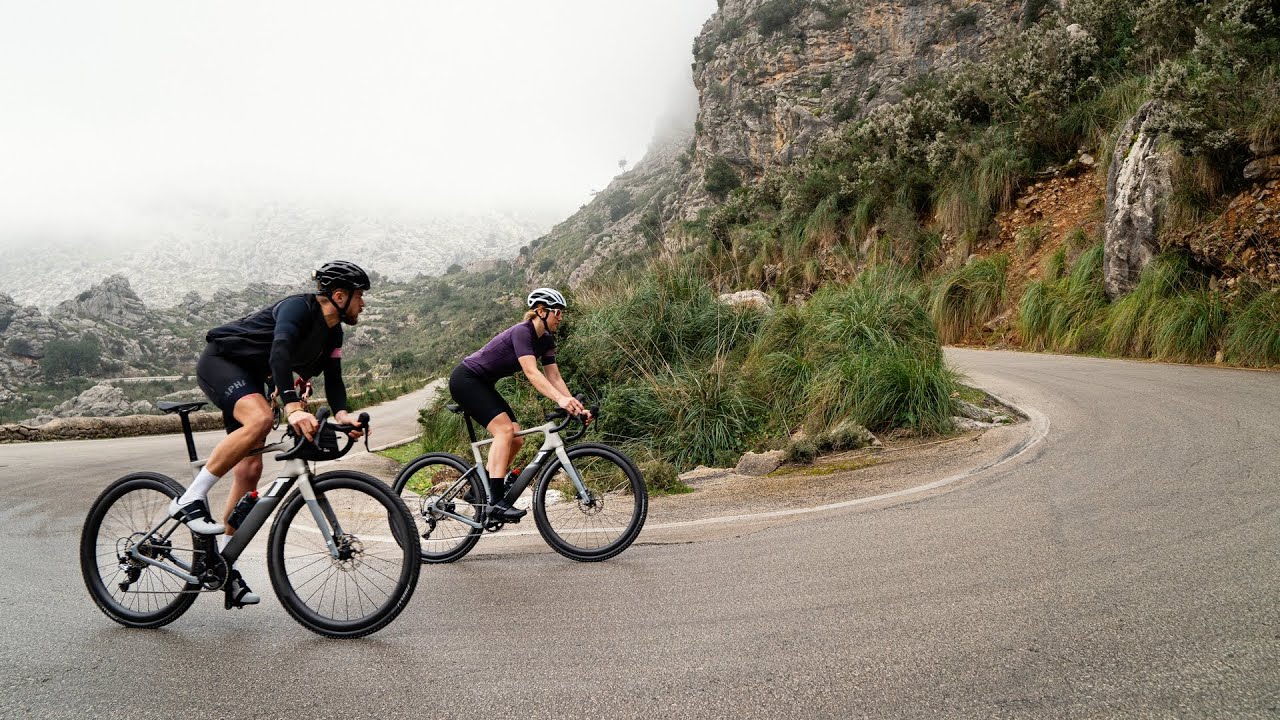
E-road bikes feature lightweight carbon frames, aerodynamic geometry, and high-efficiency motors designed for speed and endurance. These bikes combine traditional cycling performance with motor assistance, supporting long-distance rides, group training, and competitive riding styles.
Best for: Road cyclists, long-distance riders, competitive cyclists, and performance-oriented enthusiasts.
Pros: Lightweight construction, aerodynamic advantage, high-speed capability, extended range support, ideal for group riding.
Considerations: Premium pricing, less forgiving on rough surfaces, requires basic road bike handling knowledge.
How to Choose the Right Electric Bike
Selecting the right ebike depends on understanding your primary use case, terrain, budget, and experience level. Consider these key factors:
Intended Use and Terrain
Identify your primary riding environment. Urban commuters benefit most from efficient, lightweight urban e-bikes with good braking power. Trail riders require robust frames and capable suspension. Gravel explorers need versatile tire clearance and balanced geometry. Road cyclists should prioritize aerodynamics and lightweight construction.
Distance and Range Requirements
Most BikesOnline electric bikes offer 40–100 miles per charge, depending on motor power, battery capacity, terrain, and assist level. Urban commuters on flat terrain typically achieve range at the higher end, while mountain riders using maximum assist on challenging trails may operate closer to the lower end. Evaluate your typical daily distance and whether you need to charge mid-week or daily.
Budget Considerations
Electric bike pricing reflects motor power, battery capacity, frame material, and component quality. Entry-level models start at a lower price point and suit casual riders with modest range needs. Mid-range options provide balanced performance across components and battery capacity. Premium models feature higher wattage motors, larger batteries, and premium frame materials like carbon fiber.
Motor Type and Power
Mid-drive motors, found across BikesOnline's collection, provide natural pedaling feel and efficient hill climbing by leveraging the bike's gearing system. Motor power ranges from 250W to 750W—sufficient for most riders. Higher wattage translates to stronger hill-climbing and faster acceleration but increases battery consumption and bike weight.
Battery Capacity and Range
Battery size, measured in watt-hours (Wh), directly affects range. Larger batteries extend distance but add weight and cost. Consider your typical route distance and charging frequency. Most modern ebike batteries charge 80% in 2.5–4 hours using standard chargers.
Frame Size, Weight, and Handling
Electric bikes are heavier than traditional bicycles—typically 45–65 pounds depending on motor and battery size. Ensure comfortable handling, especially when moving the bike or riding at low speeds. Frame sizing follows standard bicycle geometry; proper fit is essential for comfort and control.
Key Features to Look For
Motors and Power Delivery
BikesOnline electric bikes feature premium motors from industry leaders like Bosch and Shimano, delivering 250W–750W of power with up to 85Nm of torque. This torque rating directly correlates with hill-climbing ability and smooth acceleration. Mid-drive motors provide intuitive pedaling feel by integrating with the bike's existing gearing system.
Battery Technology and Range
High-capacity lithium-ion batteries power all BikesOnline electric bikes, offering 40–100 miles per charge depending on terrain and assist level. Quick-charging technology reduces downtime, with typical 500Wh batteries reaching full charge in 3–6 hours. Battery lifespan typically spans 500–1,000 charge cycles, representing 3–6 years of regular use.
Braking Systems
Hydraulic disc brakes provide responsive stopping power essential for heavier e-bikes. Superior modulation and power ensure safe control across all terrains and weather conditions. This component is critical for both urban and trail riding safety.
Frame Materials and Construction
BikesOnline offers frames constructed from durable aluminum and premium carbon fiber. Aluminum provides excellent value, durability, and repairability. Carbon fiber offers weight savings and premium performance but at higher cost. Both materials are optimized to support motor and battery integration.
Drivetrain and Shifting Precision
Precise gear shifting ensures smooth, efficient power delivery across varying terrain. Quality derailleurs and shifters maintain accurate cadence support and reduce maintenance needs. Electronic shifting options offer crisp, reliable performance.
Tires and Traction
Tire selection reflects intended use. Mountain e-bikes feature aggressive knobby tires for trail grip. Commuter bikes use high-volume slick tires for urban efficiency. Gravel e-bikes employ wide, versatile tread for mixed surfaces. Tire quality impacts comfort, rolling resistance, and terrain capability.
Recommended For
Daily Commuters
Urban e-bikes deliver efficient, cost-effective commuting with minimal maintenance. These bikes reduce commute time, eliminate parking stress, and provide a healthy alternative to car travel. Class 1 and Class 3 options accommodate different local regulations and speed preferences.
Adventure and Trail Riders
Electric mountain bikes expand exploration possibilities by reducing fatigue on technical terrain and steep climbs. Riders can tackle longer trips, higher elevations, and more challenging routes than traditional mountain bikes enable, opening new trail systems and adventure opportunities.
Long-Distance and Touring Cyclists
E-gravel and e-road bikes extend range and reduce physical exhaustion on multi-day trips. Motor assistance allows riders to cover greater distances daily while maintaining freshness, making bikepacking and touring more accessible and enjoyable.
Fitness-Focused Riders
Electric bikes offer customizable exercise intensity through adjustable assist levels. Riders can build fitness progressively, reduce joint stress compared to high-impact activities, and maintain consistent training schedules without excessive fatigue.
Riders New to Cycling
E-bikes lower barriers to entry by removing intimidation factors associated with hills, distance, and physical conditioning. New riders can build confidence and skills gradually while enjoying immediate success and longer exploration range.
Featured Brands
Polygon
Polygon offers three featured models in the BikesOnline collection: the Siskiu T7E e-mountain bike designed for off-road trail performance, the Tambora AE-N carbon e-gravel bike engineered for mixed-terrain versatility, and the Kalosi Lanes Prime urban e-bike equipped with Bosch motor technology for daily commuting. These models represent Polygon's commitment to e-bike category development across distinct riding disciplines.
View 2025 Polygon Strattos S7 Disc Shimano as another relevant option to consider.
Frequently Asked Questions
Are e-bikes worth the investment?
Yes. E-bike owners typically save over $2,000 annually by replacing car trips, while enjoying improved health, reduced environmental impact, and greater personal freedom. The investment pays for itself within 2–[verify specification] for regular commuters.
What is the difference between electric bike classes?
Class 1 e-bikes provide motor assistance up to 20 mph through pedaling. Class 2 e-bikes feature throttle assistance, also up to 20 mph. Class 3 e-bikes offer pedal assistance up to 28 mph. Most states allow Class 1 and 2 bikes on standard bike paths; Class 3 restrictions vary locally. All BikesOnline e-bikes comply with federal motor power limits of 750W or less.
Do I need a license to ride an electric bike?
In most U.S. states, electric bikes are classified as regular bicycles and do not require a license, registration, or insurance. All BikesOnline e-bikes meet federal regulations limiting motor power to 750W and assisted speed to 20–28 mph depending on class. Local regulations vary, so check your specific jurisdiction's requirements before riding.
How far can an electric bike travel on a single charge?
BikesOnline electric bikes offer 40–100 miles per charge depending on motor type, battery capacity, rider weight, terrain, and assist level. Urban models on flat terrain achieve the higher range estimates. Mountain models using maximum assist on challenging trails typically operate closer to the lower range.
How long does e-bike battery charging take?
Most BikesOnline electric bike batteries charge completely in 3–6 hours. A typical 500Wh battery reaches 80% in approximately 2.5 hours and 100% in about 4 hours using the standard charger. Optional fast chargers can reduce these times by up to 40%.
What is the lifespan of an electric bike battery?
E-bike batteries typically last 500–1,000 charge cycles, representing 3–6 years of regular use. With proper care and storage, many batteries perform reliably at the upper end of this range. Replacement batteries are available to extend overall e-bike lifespan to 8–10 years.
Can I ride an electric bike in the rain?
Yes. All BikesOnline electric bikes feature water-resistant electrical components sealed to IP65 standards, protecting against dust and low-pressure water jets. Light to moderate rain poses no problem. Avoid submerging the bike or using high-pressure washers for cleaning.
How much maintenance do electric bikes require?
E-bikes require similar maintenance to traditional bikes: regular chain cleaning, brake pad inspection, tire pressure checks, and cable adjustments. Motor and battery systems are largely maintenance-free when properly cared for. Annual professional service ensures optimal performance and longevity.
What is the weight of a typical electric bike?
Most e-bikes weigh 45–65 pounds depending on motor power and battery capacity. This is heavier than traditional bikes but manageable for transport and handling. Weight distribution is optimized for balance and control during riding.
Can I use an electric bike for mountain biking?
Yes. Electric mountain bikes are specifically engineered for off-road terrain with full-suspension or hardtail frames, aggressive tread tires, and powerful mid-drive motors. These bikes expand the range and difficulty of trails accessible to individual riders.
How do I maximize electric bike battery life?
Store batteries in cool, dry conditions away from extreme temperatures. Charge regularly rather than allowing complete discharge. Use appropriate assist levels for conditions—lower assist preserves range while still providing support. Avoid extended storage with depleted batteries.
Are electric bikes faster than traditional bikes?
E-bikes provide motor assistance up to 20–28 mph depending on class, enabling consistent speeds on hills and longer distances. However, motor assistance reduces physical exertion rather than purely maximizing speed. Riders enjoy extended range and reduced fatigue rather than racing performance.
What is pedal assist versus throttle?
Pedal assist (PAS) provides motor power proportional to your pedaling effort, creating intuitive riding feel and legal compliance in all states. Throttle (hand or foot-activated) provides direct motor power without pedaling, available on Class 2 e-bikes. Most BikesOnline models feature pedal assist; some offer throttle options.
Can I ride an electric bike uphill easily?
Yes. E-bike motors deliver up to 85Nm of torque, providing strong hill-climbing assistance. Riders can maintain consistent cadence and speed on steep grades that would challenge traditional bikes. Motor assistance is especially valuable for longer climbs and riders with variable fitness levels.
Explore Related Collections
BikesOnline offers complementary bike categories that expand your riding options. Browse our mountain bike collection for traditional (non-electric) trail models. Explore our commuter and urban bike selection for human-powered city riding. Visit our road bike range for performance-focused pavement cycling. Each collection provides alternatives and comparisons that inform electric bike decisions.
Explore our Cycling Road Gravel Urban Bike Helmets for more options relevant to this topic.
Explore these existing BikesOnline resources for additional guidance and relevant options:
Helpful Buying Guides
Several supporting resources enhance your e-bike purchasing journey. A comprehensive electric bike buying guide covers detailed comparisons across motor types, battery technologies, and frame styles. Consider exploring articles on proper electric bike sizing and fit to ensure comfort and control. Guides addressing e-bike laws and regulations by state clarify legal requirements for your specific location. Finally, maintenance and care guides help maximize battery lifespan and overall e-bike performance after purchase.