

















Polygon vs Marin: Which Brand Offers the Best Value in the USA?

When riders in the USA compare Polygon and Marin, the question is rarely about quality. Both brands are well established, performance-driven, and offered through BikesOnline. They even share the same parent company. The real difference comes down to how each brand defines value — component specification versus ride feel.
Polygon tends to prioritise delivering higher-end parts at aggressive price points, while Marin focuses on geometry, handling, and overall versatility. Understanding this distinction makes choosing between the two much clearer.
Brand Philosophy: Same Heritage, Different Priorities
Polygon
Polygon is known for its direct-to-consumer efficiency. By controlling manufacturing and reducing supply-chain costs, Polygon can often spec premium drivetrains, carbon wheels, and advanced suspension at prices that undercut many competitors. For riders who compare spec sheets closely, this approach is highly appealing.
Marin
Marin’s reputation is built around how a bike feels on the road or trail. Rather than chasing the highest possible component tier, Marin invests heavily in geometry and frame design. The result is bikes that feel confident, playful, and balanced, particularly when terrain becomes technical or unpredictable.
Road & Endurance Bikes: Performance per Dollar vs All-Day Comfort
Polygon’s endurance road range clearly reflects its value-first approach. The Strattos carbon line offers electronic drivetrains, carbon cockpits, and carbon wheels across multiple builds, making high-end road performance more accessible. With generous tyre clearance and modern endurance geometry, these bikes suit riders who want speed without sacrificing long-ride comfort.
Marin takes a different approach. Rather than focusing heavily on traditional endurance road bikes, Marin leans toward all-road and gravel-oriented platforms. This suits riders who want comfort, stability, and flexibility across varying surfaces rather than a purely performance-driven road setup.
Polygon suits riders chasing maximum performance for their budget
Marin suits riders who value comfort and surface versatility
Gravel & All-Road: Marin’s Strength
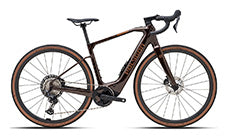
Gravel is where Marin stands out most clearly. The Headlands range combines carbon frames, stable geometry, and practical features such as internal storage. These bikes are designed for long days on mixed terrain, prioritising balance and control over chasing the lowest possible weight.
Marin also offers flat-bar gravel options and gravel eBikes, giving riders a wide range of choices for commuting, adventure riding, and bikepacking.
Polygon’s range is more performance-oriented overall, with fewer gravel-specific models, but it appeals to riders who want efficient, fast-feeling bikes with strong component value.
Mountain Bikes: Spec Value vs Ride Feel
/ Polygon Mountain Bikes
Polygon mountain bikes are known for offering strong suspension and drivetrain specifications at competitive prices. From the Xtrada hardtails to the Siskiu full-suspension range, Polygon delivers impressive component packages that appeal to value-conscious riders. Higher-end Siskiu models, in particular, stand out for pairing premium suspension with top-tier drivetrains at accessible price points.
/ Marin Mountain Bikes
Marin’s mountain bikes place greater emphasis on trail confidence and handling. Platforms like the Rift Zone are widely regarded for their balanced, modern geometry and predictable ride feel. Even at entry-level price points, Marin bikes are designed to feel stable on descents while remaining efficient on climbs.
Mountain takeaway: Polygon excels in raw component value while Marin excels in geometry, handling, and trail confidence.
Kids’ Bikes: Thoughtful Design from Both Brands
Both brands offer well-designed kids’ bikes rather than scaled-down adult frames. Polygon focuses on lightweight, simple builds that are easy to handle, while Marin offers more progression-focused junior bikes with suspension and trail-ready geometry. Parents can confidently choose either brand depending on whether simplicity or trail progression is the priority.
Which Brand Offers the Best Value?
There’s no single winner, because value depends on what you care about most.
-
•
Choose Polygon if value means getting higher-end components for your money
-
•
Choose Marin if value means better handling, confidence, and ride feel
Both brands deliver excellent quality, reliability, and performance — just with different priorities.
Final Verdict
Choosing between Polygon and Marin isn’t about picking a better brand — it’s about finding the right fit for how and where you ride. Both brands are well respected, both are owned by the same parent company, and both are offered in the USA through BikesOnline. The difference ultimately comes down to priorities: component value versus ride feel.
FAQs: Polygon vs Marin
Is Polygon or Marin better for beginners?
Both brands are suitable for beginners. Polygon is often better for riders who want strong components at a lower price, while Marin is ideal for beginners who prioritise stability, confidence, and predictable handling.
Why does Polygon often have better components for the price?
Polygon’s direct-to-consumer model and in-house manufacturing allow it to reduce costs, which often results in higher-tier drivetrains and suspension at similar price points.
Is Marin worth the extra cost compared to Polygon?
For riders who value ride quality, geometry, and trail confidence, Marin can be worth the extra cost. While the component spec may be slightly lower, many riders find the overall ride feel more refined and enjoyable.