
 AUS
AUS



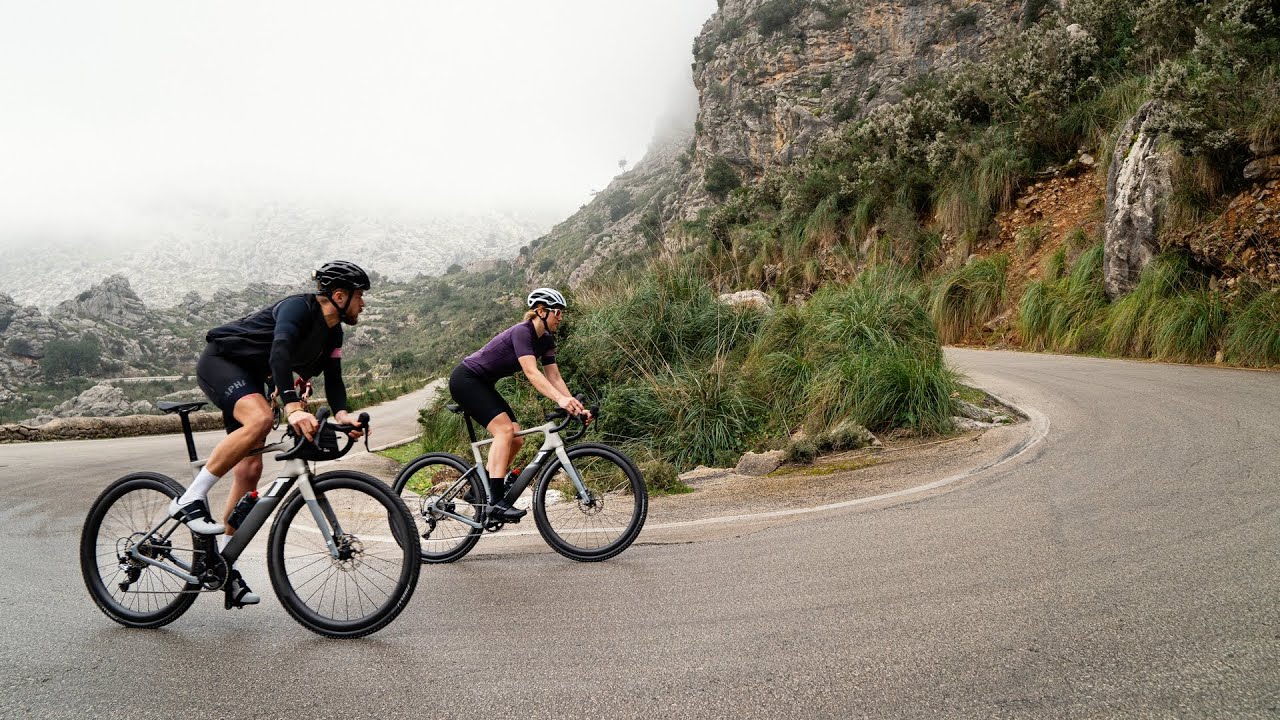






















Most Bike-Friendly Cities 2025 in the US

America's Most Bike-Friendly Cities 2025
Based on PeopleForBikes City Ratings - Scores out of 100
Large Cities (300,000+ population)
1
Brooklyn, New York
Part of North America's largest bicycle network with 1,550+ miles of bike infrastructure
73
2
Minneapolis, Minnesota
Extensive trail network with growing protected bikeway system and speed limit reductions
72
3
Seattle, Washington
Comprehensive Bike Master Plan with protected bike lanes and greenways
66
4
Queens, New York
Strong borough-level improvements in NYC's extensive bike network
63
4
San Francisco, California
Overcoming hilly terrain with dedicated lanes, bike-sharing, and traffic calming
63
Medium Cities (50,000-300,000 population)
1
Davis, California
Long-standing leader with exceptional bike paths per capita and deep cycling culture
81
2
Berkeley, California
Progressive urban planning and comprehensive cycling infrastructure
73
3
Corvallis, Oregon
Strong commitment to active transportation and community cycling
71
4
Boulder, Colorado
Outdoor culture meets extensive multi-use path system
70
Small Cities (Under 50,000 population)
1
Mackinac Island, Michigan
PERFECT SCORE! Car-free island creating unparalleled cycling environment
100
2
Provincetown, Massachusetts
Highly bikeable coastal town with strong recreational cycling scene
96
3
Sauk City, Wisconsin
Small city prioritizing bike-friendly infrastructure and policies
90
SPRINT Methodology
How PeopleForBikes Evaluates Bike-Friendly Cities
What is SPRINT?
A comprehensive evaluation framework that scores cities on a 0-100 scale, assessing how well bike networks serve people of all ages and abilities.
S
Safe Speeds
Lower speed limits and traffic calming measures that create safer environments for cyclists to share roads with vehicles.
P
Protected Bike Lanes
Physical separation between cyclists and vehicle traffic through barriers, curbs, or dedicated pathways.
R
Reallocated Space
Converting car-centric infrastructure into space dedicated for biking and walking, prioritizing active transportation.
I
Intersection Treatments
Special design features at intersections that improve visibility and safety for cyclists crossing busy streets.
N
Network Connections
Continuous, well-connected bike infrastructure that allows cyclists to reach destinations safely without gaps.
T
Trusted Data
Reliable, up-to-date information about bike infrastructure and safety metrics used to make informed planning decisions.
Frequently Asked Questions
What criteria are used to rank bike-friendly cities?
▼
Cities are ranked using PeopleForBikes' SPRINT methodology, which evaluates factors like Safe Speeds, Protected Bike Lanes, Reallocated Space, Intersection Treatments, Network Connections, and the use of Trusted Data. This comprehensive framework assesses how well bike networks serve people of all ages and abilities.
How often are these city ratings updated?
▼
PeopleForBikes typically updates its City Ratings annually to reflect new infrastructure developments, policy changes, and improved data collection in cities across the United States. The ratings for 2025 reflect the latest available data.
Why is Mackinac Island, Michigan, rated 100?
▼
Mackinac Island achieved a perfect score because it is a car-free island, creating an inherently safe and unparalleled environment for cycling. Its entire transportation system prioritizes bicycles and pedestrians, setting a unique standard for bike-friendliness.
How can my city improve its bike-friendliness score?
▼
Cities can improve their scores by implementing more protected bike lanes, reducing speed limits, reallocating road space for cyclists, improving intersection designs, expanding and connecting bike networks, and utilizing data to make informed planning decisions. Community engagement and advocacy for cycling infrastructure are also crucial.
What is 'Reallocated Space' in the SPRINT methodology?
▼
'Reallocated Space' refers to urban planning initiatives where areas previously used primarily for vehicular traffic (like parking lanes or general travel lanes) are converted and dedicated for use by cyclists and pedestrians. This prioritizes active transportation over car-centric infrastructure to create safer and more accessible routes for biking."